Use the Miami-Dade Clerk’s Parking Violations Online System to look up a county parking ticket. Search by your license plate and the state that issued it, or by the eight-digit number printed on the parking citation. The same service covers citations from municipal parking agencies that enforce the county parking code, including the Miami Parking Authority.
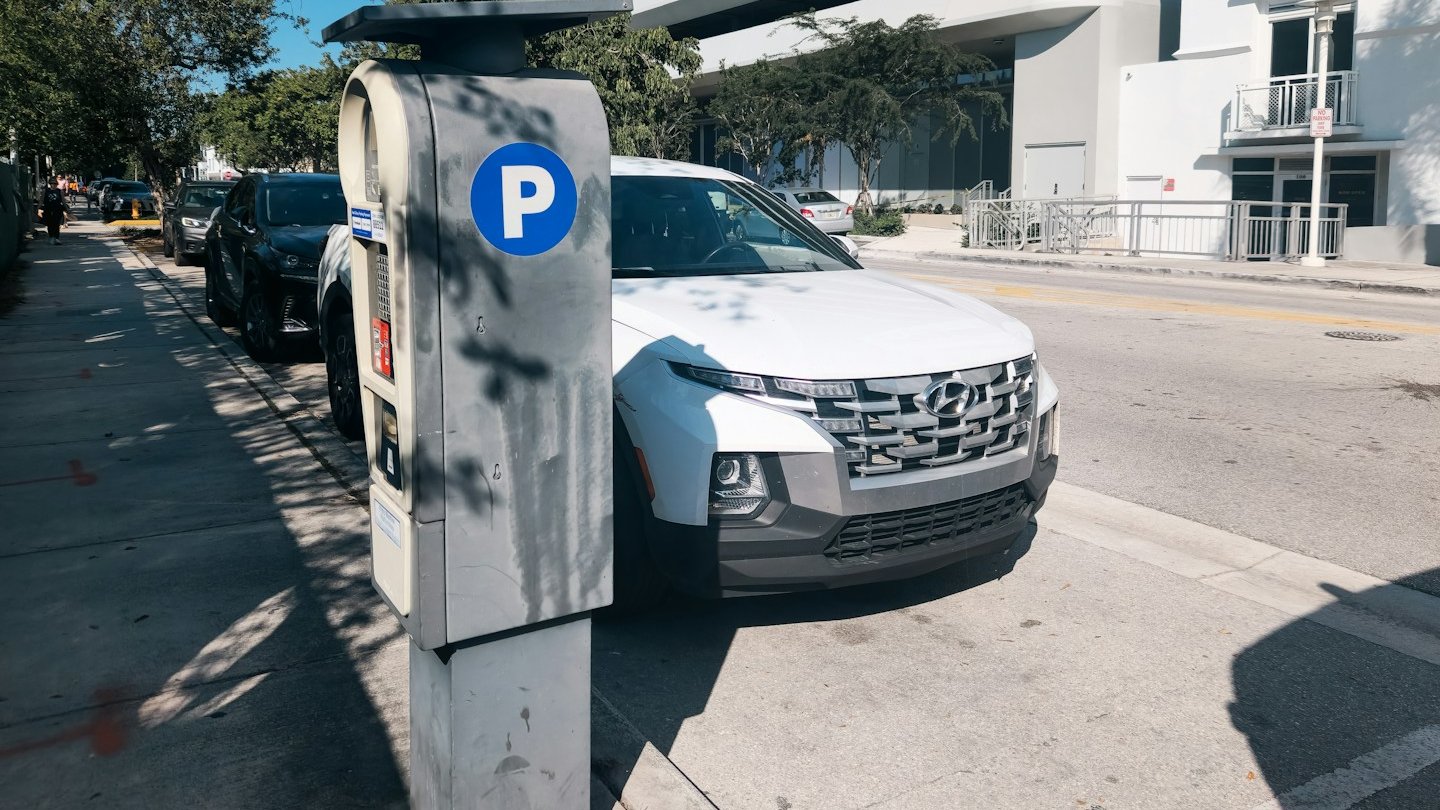
If a new ticket is missing from the search results, there is still a way to pay or request a hearing. Begin with the issue date on your paperwork and check who issued it. A uniform traffic citation or an initial red-light camera notice may send you to another system, even when the document includes your plate.
Look up a Miami-Dade parking citation online
Start with the Miami-Dade Clerk’s Parking Citations page and follow its Search / Pay Online link. It opens the Parking Violations Online System, which offers separate searches for a citation number and a license plate. Both are available through the public interface, which may ask a visitor to complete a CAPTCHA. The Clerk also offers a Parking Service Assistant if you need to work out which procedure applies to your situation.
A parking officer’s name or department on the slip identifies who wrote it. The Clerk runs the county search and payment system. The Miami Parking Authority, for example, directs people with its City of Miami parking tickets to Miami-Dade County to pay. If the paper says Miami Parking Authority and the amount seems familiar from another visit, check the individual citation before choosing a payment. The city name explains the source of the ticket. The county’s portal tells you which county record you are dealing with. Miami Parking Authority guidance.
Search by license plate
Choose License Plate under Parking Search. The form requires both Plate Number and State. Enter the letters and digits of the plate without punctuation and choose the jurisdiction that issued it. Using a Florida parking space does not make a Georgia or New York plate a Florida plate for this search. If the vehicle has changed plates since the date on the paperwork, use the plate associated with the citation. A photo of the old ticket or the registration from that period can help confirm the number. Clerk’s Parking Violations Online System.
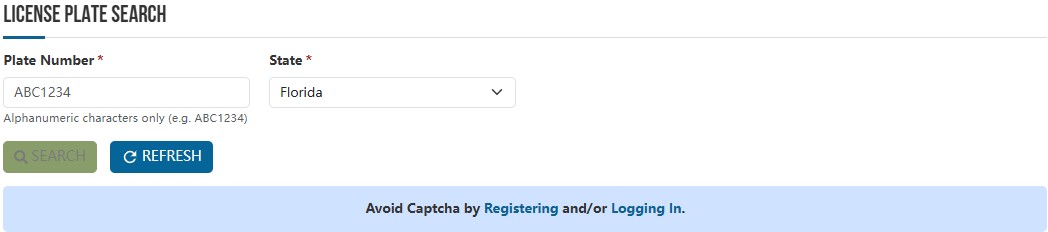
A plate search is especially useful if the printed ticket is missing or you need to distinguish several citations on the same vehicle. Treat all rows as separate records. Compare the dates and any identifying details shown with your own paperwork before selecting a result. If only one parking session is in dispute, identify the citation for that specific session before gathering receipts or making a payment. Similar locations and repeated parking habits can make different dates look like the same event.
Search by parking citation number
Choose Citation Number when you have the ticket. The form asks for an eight-digit number, and the Clerk describes parking citations as eight numeric characters. Copy the citation identifier from the slip and keep any leading zero. An app receipt, a payment confirmation or a meter-zone number can help identify your parking session, but it belongs in your supporting records. The citation number identifies the ticket itself. Clerk’s citation format guide.
Before paying or responding, compare the record you opened with the ticket. Useful checks include the plate and state, the issue date, and any location or description available. You can write down the citation number from the record and use that specific identifier if you need to call the Clerk. That is more precise than discussing the entire vehicle history when your question is about one encounter. If the identifiers disagree, resolve the mismatch before sending a payment.
What to check when the search returns no match
Go back to the first line of the paperwork. Confirm that you are dealing with a Miami-Dade parking citation and that you are using the right identifier. A citation number should contain eight digits. A license plate search pairs the plate with its issuing jurisdiction. If you have both the ticket and the vehicle details, trying the other search method gives you a useful way to isolate a transcription error. Keep the citation date and the issuing agency at hand in case you need to contact the Clerk.
A citation may be valid and still be absent from the search results. The Clerk explicitly says that the original 30-day response period continues when a parking citation is awaiting entry. If this happens, the Parking Service Assistant has instructions for paying a citation that has yet to appear. The Clerk says you can still request court action through the usual process. Do this before the deadline rather than relying on a checkout page to appear after another search. Clerk’s parking FAQ, question 18.
For a municipal citation, read the agency name and the payment direction together. Miami Beach, for example, has its own parking department, and its parking FAQ directs readers to the county parking payment system. A different city name on the front of the document does not by itself tell you to leave the Clerk’s site. A private garage or lot invoice is a different kind of paperwork. Florida law requires these invoices to identify themselves as privately issued. The Miami Parking Authority also directs questions about private operators away from its own parking citation process. City of Miami Beach parking FAQ and Florida Statutes § 715.075.
If the record is still unclear, call the Clerk’s parking line at 305-275-1133. The office lists live staff hours of 9 a.m. to 4 p.m. on weekdays. Tell them whether you tried the citation number, the plate and issuing state, or both. If you received a payment link by text and never saw the underlying ticket, open the Clerk’s public parking page independently to establish where it belongs. Keep the original paper or message available until the office matches it to the right record. Current Clerk contact and service information.
Choose between paying and requesting a hearing
The County Clerk gives you 30 days from the issue date shown on the parking citation to pay or request a hearing. For an item that arrived in the mail, read the citation date on the notice rather than working from the day you opened the envelope. The county’s implementing order distinguishes mailed citations from tickets handed to a driver or attached to a vehicle. If the printed dates or posted status appear inconsistent, parking staff can help you establish which date applies. A lookup is a way to identify the record. Payment and a hearing request each require a separate action. Clerk’s parking instructions and Miami-Dade implementing order.
Pay the ticket and keep your confirmation
You can pay online by major credit card, by phone using the Clerk’s automated system, by mail or in person. The current Clerk page lists Visa, MasterCard, Discover and American Express for online payment. If you send a check or money order, write the citation number on it and leave enough time for it to reach Parking Operations before the deadline. The Clerk publishes the current payee name and mailing address on its instructions page. For payment in person, use a listed Clerk location and check its hours before you go. Current ways to pay the citation.
Save your confirmation with the citation number and your payment date. If you have more than one parking ticket on the same plate, this lets you tell which one the payment covers. A receipt from an earlier parking session is also worth preserving, but it proves a different transaction. One receipt shows what you paid to park. The other documents what you paid on the citation. Keep them separately named so that you can find the correct one during a later call.
Request a hearing by the parking deadline
The Clerk explains how to request a hearing through the parking system, at a Clerk location or by mail. The Eleventh Judicial Circuit links to the parking-specific request form and calls for a copy of your driver’s license when submitting the form. Follow the current filing directions and keep the submission acknowledgement or other proof of delivery. The notice from the court will give you the hearing details. The parking request form says those details normally include instructions for joining by Zoom. Eleventh Judicial Circuit instructions and parking hearing request form.
Build your evidence around the specific allegation. For a paid-meter dispute, compare the plate, meter zone, start and end time on your receipt with the citation. A screenshot of the payment app and a photo of the relevant sign or bay may help explain the location and timing. If you also ask the city’s parking office to review the citation, keep track of the county hearing deadline while that inquiry is pending. The Clerk’s service assistant explains what to check when an app payment appears to overlap the ticket. Parking Service Assistant.
Handle an ownership issue or an older parking balance
A plate may lead to a record for a vehicle you sold, rented or lent to someone. It may also reveal several overdue citations when you were expecting just one. First identify whether the question is about responsibility for the underlying ticket or about the current status of an outstanding balance. A clerk can explain the amount and status on county records. The agency that wrote the ticket is the place to start for certain ownership and evidence questions. Clerk’s guidance for parking citations.
Contact the issuer about vehicle ownership
Florida generally makes the registered vehicle owner responsible for a parking violation. The statute describes how an owner can furnish an affidavit to the relevant law enforcement authority when the vehicle was in another person’s care, custody or control. The Miami-Dade Clerk directs people to send these affidavits to the agency that issued the ticket. Use the agency details on your record or the Clerk’s issuer directory. If you sold the vehicle, locate the transfer paperwork and check the transaction date against the date on the citation before contacting that office. Florida Statutes § 316.1967.
If a rental company sends you a charge, ask for the original citation and any separate rental-company fee. Compare the citation plate and issue date against your agreement and communicate with the rental company before acting on the same balance yourself. The county parking affidavit displayed on the Clerk’s website expressly excludes rental vehicles. Keep your agreement and the company’s response available if the issuing agency needs to identify the relevant records. An ownership inquiry still warrants checking what response is due and who can make it. County parking affidavit form.
Check for collections, a registration stop or a tow
The Clerk says parking balances can increase after the deadline and are referred to an outside agency after more than 90 days unpaid. If the record is already in collections, ask for the current balance before paying. The amount printed on the first notice may reflect only the original charge. The Clerk separately describes a registration stop after three or more outstanding citations or a single disabled-parking citation. It lists a court tow order at five or more past-due parking citations or one past-due disabled-parking citation. Clerk’s late-payment page and registration-stop and tow procedures.
If a registration renewal is blocked, ask which citations need to be resolved and whether you need the Clerk’s Certificate of Compliance. The Clerk lists an additional $7 certificate charge when the certificate is needed for renewal or to show the towing company. If the vehicle has already been towed, towing and storage can also be billed separately. Keep the certificate and payment confirmation together and confirm the next step with the office or company handling the release.
Use a different portal for a traffic citation or camera notice
The County Clerk maintains separate systems for parking and traffic. The format can help you choose between them. A county parking citation uses eight digits. A traffic citation uses a seven-character combination of letters and numbers. Check the title and issuing instructions alongside the format. A Uniform Traffic Citation from an officer or a later traffic citation stemming from a camera notice belongs with traffic, even if both documents mention a license plate. Start from the Clerk’s civil traffic page for its search, payment and hearing directions. Clerk’s parking and traffic comparison and Traffic Online System.
| Paperwork | Where to start |
|---|---|
| County or city parking citation | Miami-Dade Clerk’s Parking Violations Online System |
| Uniform Traffic Citation | Miami-Dade Clerk’s Traffic Online System for a Miami-Dade filing |
| Initial red-light camera Notice of Violation | Issuing city or county program and the notice-specific instructions |
| Private garage or lot invoice | Operator’s invoice and its published dispute route |
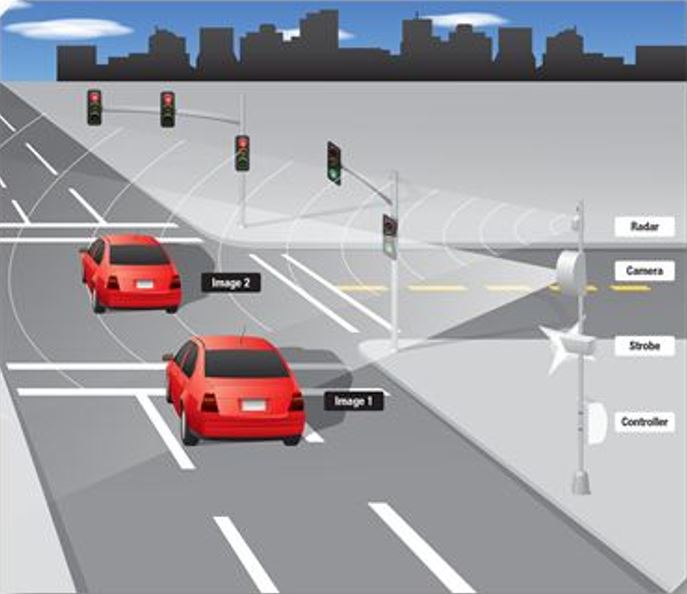
An initial red-light camera Notice of Violation has its own response process. Under Florida Statutes § 316.0083, the notice calls for a $158 penalty or the applicable response within 60 days of notification. The statute also explains how an eligible affidavit or a hearing request fits into that period. Miami Beach tells recipients to handle an initial notice through its camera process. A valid notice at this stage may have no record in either Clerk search. Follow the issuing agency’s instructions to identify the official site and any credentials the notice requires. Florida’s red-light camera law and Miami Beach camera enforcement.
An unresolved red-light notice can progress to a Uniform Traffic Citation. If a later document identifies a UTC and directs you to the County Clerk, use the traffic system and the latest citation information. Save the original notice, the newer citation and any payment or response confirmation together. They document stages of the same matter, with different identifiers and instructions. If you have already acted on one stage and receive later paperwork, contact the issuer or Clerk to confirm the status rather than sending another payment. Clerk’s civil traffic instructions.
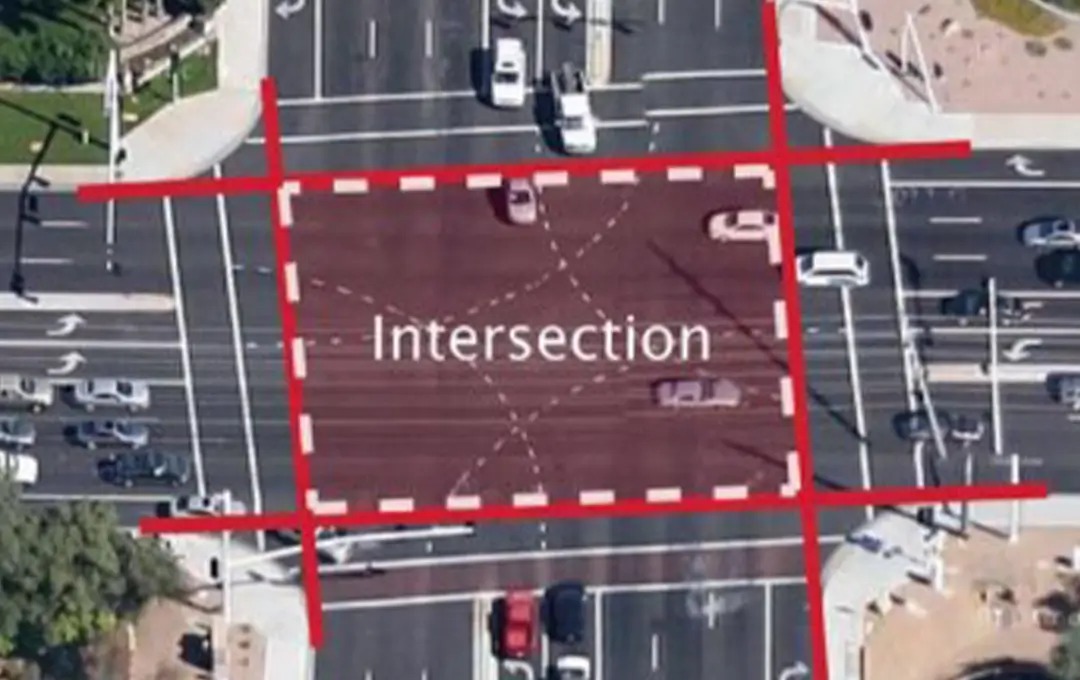
Use the document you actually received to decide where to start. A citation for parking at an expired meter can still originate in a city department and appear in the county parking system. A letter about entering an intersection against a red light goes through the camera or traffic route on the notice. If you are still identifying a camera issuer, the photo-enforcement ticket finder can help you find the relevant agency. The Clerk’s parking system remains the direct starting point for a Miami-Dade parking citation by plate or by number.



Loading comments...