The City of San Diego ended its red-light camera program on February 1, 2013. City records reviewed on November 26, 2026 show the original shutdown and later policy discussions, with no verified restart. That citywide history includes La Jolla, a San Diego community. Del Mar and Solana Beach are separate cities and have their own red-light camera records.
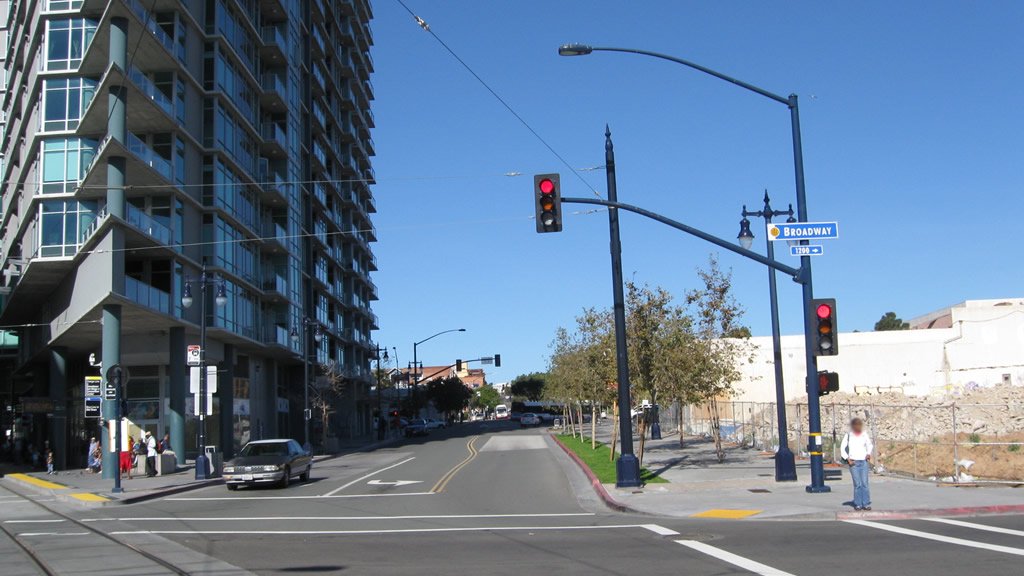
A search for a camera near San Diego can bring up several different records, from a former red-light intersection to a state traffic camera or a city streetlight project. The program name, date and issuing agency help you tell them apart. If you have a notice in hand, those same details point to the office that can explain it.
The City of San Diego ended red-light camera enforcement in 2013
San Diego’s first city red-light photo enforcement cameras began operating in August 1998. On February 1, 2013, Mayor Bob Filner announced the program’s end after the city let its contract expire. The announcement took place at Grape Street and North Harbor Drive near the airport, where crews removed the warning signs. The city described police patrols as the way it would continue enforcing red-light violations. The shutdown concerned automatic photo enforcement under that contract. The traffic signals and the traffic laws governing the intersection continued to apply. City of San Diego’s February 1, 2013 announcement.
The San Diego Police Department followed up the next month because some readers thought the announcement erased earlier citations. Its March 28, 2013 release distinguished alleged violations that happened before the cutoff from later events. The city could still process a citation for an earlier event. That distinction matters when reading the archive because a record may be dated after the shutdown and still concern an alleged violation from the operational period. The police release describes that transition as it happened in 2013. Use a current court record for an individual case today. San Diego Police Department’s March 2013 clarification.
A search of city material available on November 26, 2026 turned up the shutdown notice, several historical reports and later proposals, with no verified City of San Diego restart. In one March 2025 agenda packet, the Downtown Community Planning Council recommended adding red-light cameras in comments on the city’s Street Design Manual. Its letter is advice from a planning group. The measure that would change the status of the old system would be a city decision identifying an enforcement program and implementation, supported by current agency instructions. Downtown Community Planning Council agenda and comment letter.
Why old intersection names still appear online
San Diego keeps its prior reports online, so some exact intersection searches bring up authentic records from the former program. The city’s March 2004 council report lists A Street at 10th Avenue and La Jolla Village Drive at Towne Center Drive among its results at that time. An archive entry confirms the city documented a location during that reporting period. The February 2013 announcement supplies the later program milestone. Both documents can be accurate even if one webpage or map displays them side by side without their original dates. City report 04-056, citation activity table.
When a page labels an intersection as a red-light camera location, look for the year of its source and the operating agency. An old intersection can be recognizable from a street name even if the processing program has changed. The road name therefore helps identify what the archive is talking about. The date and purpose of the source tell you what the listing actually establishes.
La Jolla is in the city while neighboring municipalities make their own decisions
La Jolla is a community in the City of San Diego. Its name on a sign, an address or a map search does not make it a separate city for purposes of the 2013 shutdown. The San Diego Local Agency Formation Commission’s 2026 records refer to separate incorporation as a proposal undergoing fiscal analysis. Read the current jurisdiction for the exact location. The city’s community plan also identifies university properties in the area that are outside city jurisdiction. City’s La Jolla Community Plan and San Diego LAFCO incorporation study materials.
A related place-name issue comes up on La Jolla Village Drive. City staff identified the intersection with Towne Centre Drive in the University planning area when reviewing a project in 2025. The name of that road can lead someone to search the neighborhood of La Jolla, even when the corresponding planning file is under University. Both are City of San Diego records for the intersections discussed here. Look up the two street names together if you need to match a report or notice to its geographic location. 2025 San Diego Planning Commission staff report.
Solana Beach made a separate decision. Its council minutes show that, on September 10, 2025, it unanimously authorized a five-year agreement for its red-light camera program. The city’s public information identifies Lomas Santa Fe Drive at Solana Hills Drive and at Highway 101. The city also says Highway 101 at Via de la Valle belongs to Del Mar for that program. Del Mar’s June 2026 public safety presentation reports photo-enforcement citations through March 2026, giving that program a much newer documentary reference than the City of San Diego’s old list. Solana Beach meeting minutes, Solana Beach camera guidance and Del Mar public safety update.
Encinitas provides an example of an earlier stage. In February 2026 its Mobility and Traffic Safety Commission recommended that its council consider a red-light camera policy and analyze potential intersections. A September council agenda also describes exploring a pilot. Those documents establish what local officials were considering and what they wanted staff to study. For current operation, look for a later city announcement that expressly identifies deployment, operation or citation dates. A reference to an ordinance or pilot in a meeting packet can tell you where the discussion began. Encinitas commission work plan and Encinitas council agenda.
San Diego County is the region and a government jurisdiction. A municipal program within the county can involve the County Sheriff or the county Superior Court while remaining a separate city’s program. If both the city and county appear on the paperwork, look for the municipality where the violation allegedly took place and the agency that issued it. That is a better way to identify the record than searching for a countywide yes or no. San Diego Superior Court contact guidance.
What San Diego’s streetlight cameras and traffic feeds are used for
The San Diego Police Department described Smart Streetlights as a source of public-space video for certain criminal investigations and emergency responses. The program also paired streetlights with automated license plate recognition, commonly abbreviated as ALPR. Those systems served an investigative purpose under separate use policies. A red-light photo program documented alleged violations of the signal. When a city record says Smart Streetlights or ALPR, its wording identifies a different program from the one that ended in 2013. SDPD Smart Streetlight use policy and 2024 San Diego police announcement.
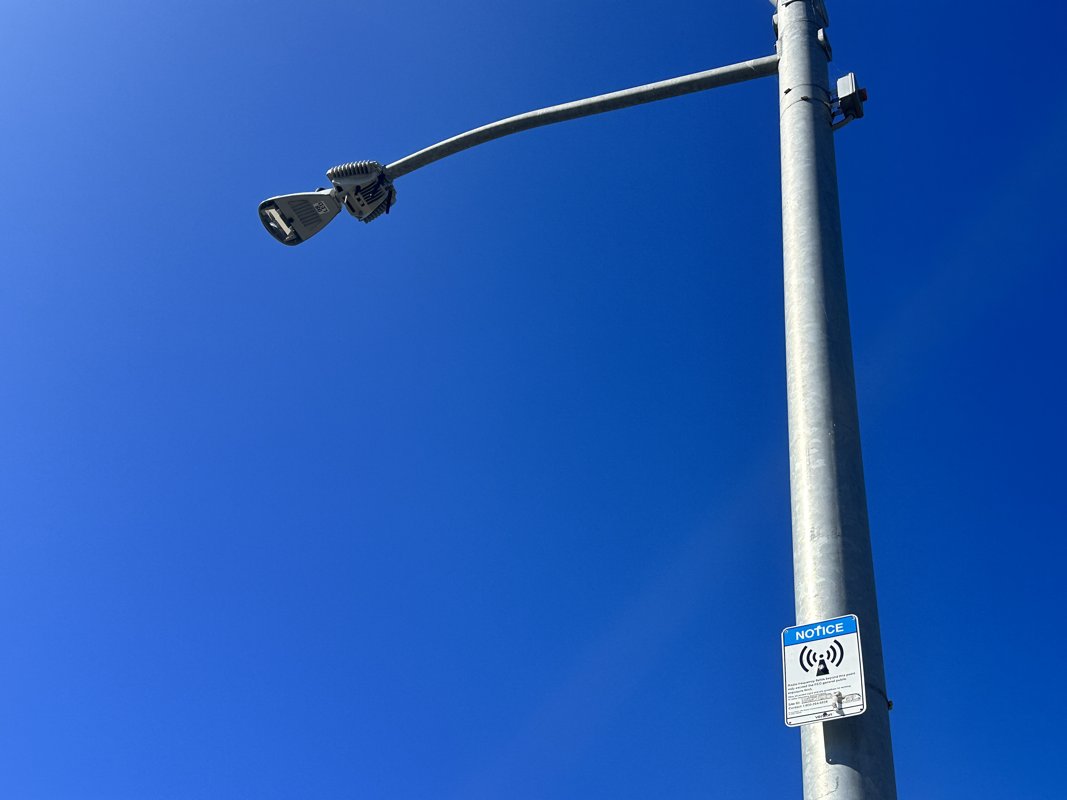
On November 16, 2026, San Diego’s City Council voted to rescind authorization for the city’s use of Flock license plate readers and Smart Streetlights. Mayor Todd Gloria confirmed both actions that day and said he would carry out the Council’s direction. That vote addresses the city surveillance programs discussed at the hearing. It also shows why an older installation map is a limited guide to current policy. It can illustrate the footprint of a past rollout, while a newer city action tells you about a change in authorization. The mayor’s statement does not identify the removal date for a particular piece of hardware. November 16 statement from the mayor.
Caltrans QuickMap has a separate purpose. It displays highway conditions, including incidents, full or partial closures, traffic-flow speed and available camera views. A person checking a freeway near San Diego can use the camera layer to get a view of conditions. A speed color or a camera icon on that map describes travel information. It does not tell you whether a city intersection issues notices. For a signal-photo enforcement question, look for the agency’s own description of its citation program. Caltrans QuickMap map-layer descriptions.
Read the map’s program name before its pins
Check the title, publisher and date of the source. San Diego’s ArcGIS search result is labeled Smart Streetlights/ALPR. The County of San Diego’s August 2024 signal inventory lists street pairs and communities. These documents identify which system or asset the publisher wanted to describe. A point on either one is evidence of what that document records, with the meaning defined by its legend, fields and date. An enforcement list should identify the issuing program and the locations specifically covered by that program. City GIS application and county signal inventory.
When maps from different agencies show the same street, check what each agency maintains. The county signal list can establish that the publisher recorded a traffic signal at a named intersection in 2024. A city record can show which program it approved at a different time. Treat those as separate facts. When you are reading an individual notice, ask its issuer for the dated evidence associated with the alleged offense. Street-view photos and still images from travel maps cannot supply that case history.
AB 645 speed cameras are a separate California pilot
California Assembly Bill 645 authorized a speed safety camera pilot in the cities of Los Angeles, San Jose, Oakland, Glendale and Long Beach and in the City and County of San Francisco. The City of San Diego is outside that list. In 2026, California approved a related measure to let Long Beach add cameras on part of Pacific Coast Highway. That change concerns one existing participant’s road coverage. It does not add San Diego to the AB 645 pilot. A statewide article about speed cameras can therefore describe a law that has no municipal pilot locations in San Diego. California DMV’s AB 645 program bulletin and California Senate’s signed legislation summary.
San Francisco shows the difference between authorization and operation. Its Municipal Transportation Agency says the program launched in March 2025, cameras were issuing warnings by June 6, and citations began on August 5. The agency sends a civil notice to the registered owner when it records a qualifying speed violation. Anyone looking at the dates should distinguish legislative eligibility, installation or warning, and the later point when an agency begins issuing citations. This helps explain why a news headline about new equipment can appear months before the first notices. SFMTA program timeline and SFMTA notice explanation.
California also enacted SB 720, which the DMV describes as an alternative automated red-light enforcement program local governments can use. Speed cameras measure a vehicle’s speed. A red-light camera program concerns conduct at a traffic signal. The legislation authorizing one does not automatically install either type in a city. There is also a separate state work-zone program authorized for Caltrans under AB 289. Caltrans discussed signs for that work-zone program in November 2026. That planning document does not identify a launched City of San Diego camera program. California DMV summary of SB 720 and Caltrans work-zone pilot agenda item.
San Diego is changing some posted limits through its own Comprehensive Speed Management Plan. In July 2026 the city announced that it had begun lowering limits in designated school zones in San Ysidro and Otay Mesa. It described new signs in specified areas, including school zones and business districts. A posted limit is the rule that governs driving on the street. A camera program is one possible way a jurisdiction enforces a rule. For questions about a particular San Diego road, confirm the posted limit and look for a separate program announcement if the question specifically involves a mailed camera notice. July 2026 City of San Diego speed-limit announcement.
A camera notice belongs with its issuing agency or court
If you have paperwork about a possible violation, start with the issuing agency, the offense and the response date. Read the location as printed, including both roads, and record the case or notice number. A county heading on a court notice can appear even when the matter came from an incorporated city’s enforcement program. The city’s 2013 decision describes a particular municipal system. A case from a different agency has its own evidence and instructions. The California Judicial Branch directs recipients of a Notice to Appear to the court identified on that citation. California Judicial Branch traffic FAQ.
For a San Diego Superior Court case, start from its Traffic Division and follow its official links. The court says a new ticket can take about two to three weeks to show up after you receive it. Its traffic appointment page asks for a citation or case number and a date of birth, and lets eligible cases proceed to scheduling. If you are close to the date printed on the ticket and the search still returns nothing, contact the court before the date. A reminder may arrive later, and the court provides instructions for people who have yet to receive one. San Diego Superior Court Traffic Division and court appointment lookup.
The court’s ticket information page gives a photo-evidence contact for Del Mar and Solana Beach at 760-966-3500. It also describes how to access photographs through the program or the North County Courthouse. Have the actual paperwork available when you call. If you need to raise an issue about the vehicle, the footage or the person identified, check the notice’s response procedure and ask the agency which records it needs. Viewing an image helps you understand the allegation. A challenge or hearing request must still follow the instructions for the case. Court guidance on red-light photo evidence.
Some notices use a local administrative process. Under the alternative red-light framework created by SB 720, the Judicial Council describes municipal civil penalties and local appeal steps, with a final avenue for review in the Superior Court. That differs from a notice that already directs you to traffic court. The document and its issuing program determine where you should start. In either case, save the original notice, the date you received it and a copy of any payment, letter or hearing request. Judicial Council summary of SB 720.
The San Diego Superior Court warns that people have received fraudulent texts demanding overdue fees for traffic tickets. If a message asks you to pay, open the court or issuing agency’s website independently and verify the case through its published contact details. The site’s photo enforcement ticket finder can help locate an official starting point. The court and issuing agencies maintain the underlying case information. An intersection map supplies context about geography and a dated program record, while the notice supplies the instructions you use to respond.



Loading comments...